Choosing care
ABA therapy at home vs. in a center
Neither in-home nor center-based ABA is simply “better.” Each setting is good at different things, and the research on outcomes is mixed. Here is how each works and how to match the setting to your child’s goals, not the other way around.
The short version
In-home ABA and center-based ABA are built for different things, not ranked against each other. The research on which setting produces better outcomes overall is mixed, and most of it says the same thing: setting matters less than the quality of the program running in it. The real question isn't "which is better," it's "which setting fits what we're trying to teach right now, and what our family can sustain."
How in-home ABA works
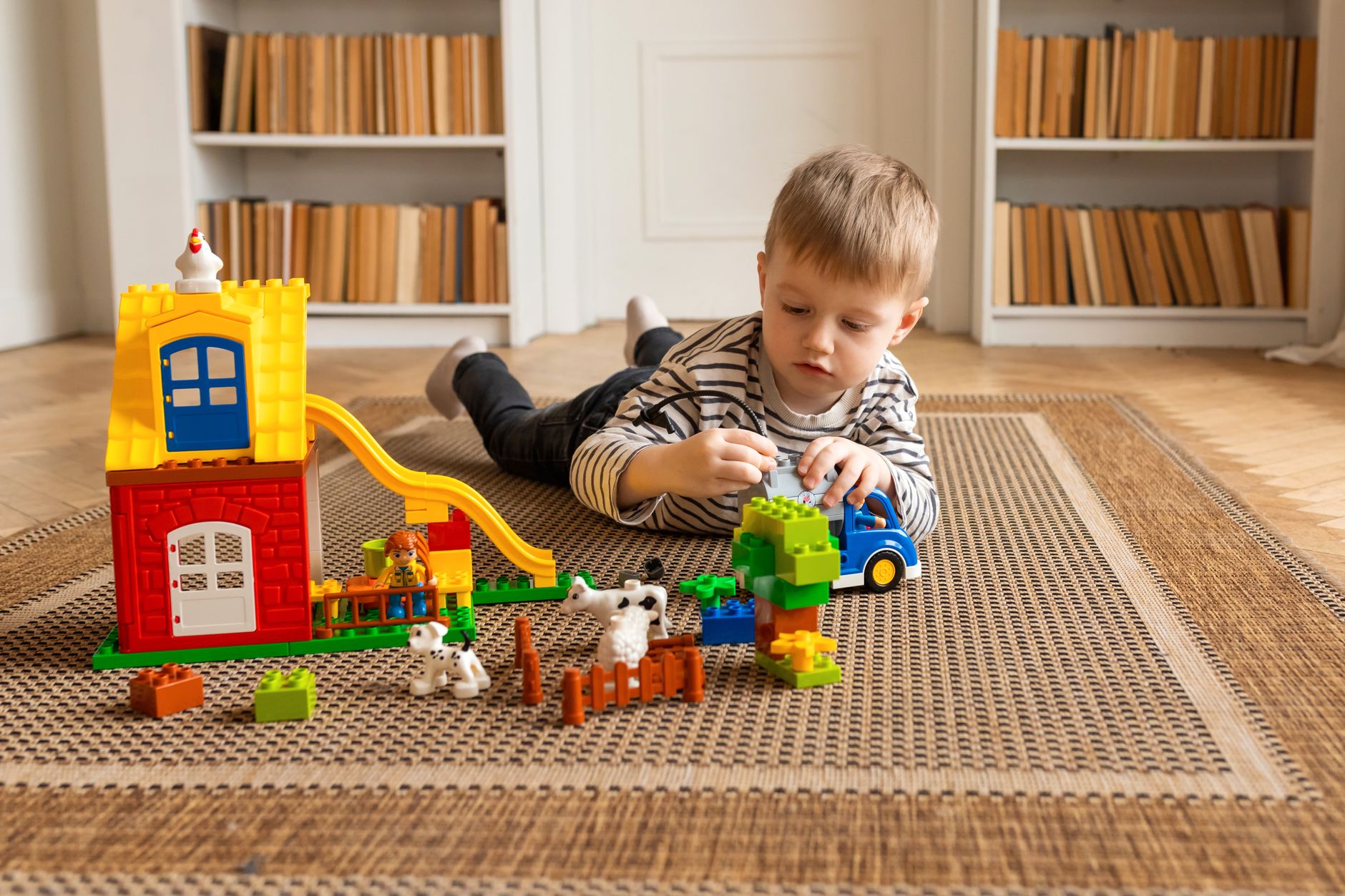
A behavior technician or therapist comes to your house and works with your child in the rooms and routines where your child actually lives. Instead of teaching a skill in a therapy room and hoping it transfers later, the skill gets built directly into mealtimes, bedtime, getting dressed, or sibling play.
Where in-home tends to shine:
- Goals tied to specific household routines, like tantrums at bedtime or mealtime refusals.
- Younger children, or kids who do better without a commute or a new environment.
- Parents who want to watch sessions and get coached on strategies in real time.
- Families juggling siblings, naps, or other scheduling constraints a clinic can't flex around.
The honest trade-offs:
- Fewer built-in chances to practice with other children.
- Home has its own distractions (siblings, deliveries, the TV in the next room), and it takes buy-in from the whole household.
- You're hosting a therapist in your home for a meaningful number of hours a week, which is a real adjustment.
How center-based ABA works
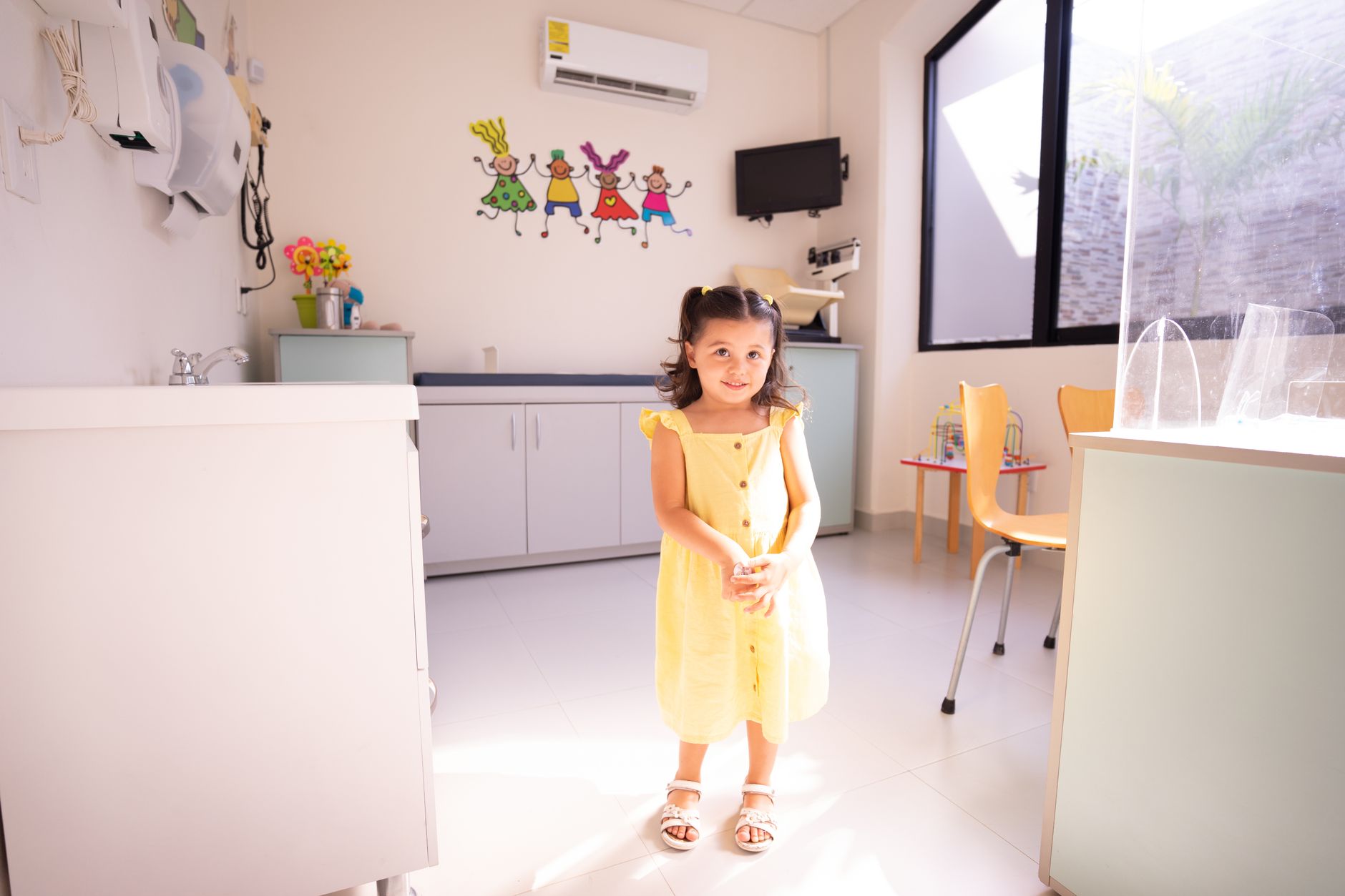
Therapy happens at a dedicated clinic, purpose-built with therapy rooms, play areas, and usually several other children receiving services at the same time. Staff, materials, and the physical space are all set up around the work.
Where a center tends to shine:
- Goals around peer interaction, turn-taking, sharing, and other social skills that need real kids to practice with.
- Kids who benefit from a more structured, low-distraction environment.
- Families who want intensive hours (many clinics run full-day programs) without having to coordinate that much therapist time at home.
- Preparing for the structure and pace of a classroom before starting preschool or kindergarten.
- More consistent coverage if a staff member is out, since a center usually has other clinicians on-site.
The honest trade-offs:
- Skills built at the center still have to be generalized back to home, school, and the community. That transfer doesn't happen automatically.
- There's a commute, and you're working around set clinic hours rather than your own schedule.
- You typically see less of the day-to-day session than you would at home.
Whatever you choose, ask about generalization
The whole point of ABA is skills that show up in real life, not just in the room where they were taught. Ask any provider, home or center, exactly how they'll make sure what your child learns transfers to the other settings, and how they'll train you to reinforce it. That answer tells you more about program quality than the setting itself does.
Hybrid models
Plenty of families don't pick one or the other. A common pattern is center hours for the bulk of the week, paired with a smaller block of in-home time to work specifically on household routines, or the reverse: home-based early on, then a step up to center hours as a child gets ready for a classroom setting. Some providers also offer school-based or community-based sessions as a third setting entirely. If your child's goals span both worlds, ask a provider whether they support a blended schedule rather than assuming you have to choose.
How to match the setting to the goal
A few rules of thumb, though your BCBA's recommendation for your specific child should carry the most weight:
- Goals rooted in home routines, or a very young child? In-home often fits best.
- Goals around peer play, social skills, or classroom readiness? A center setting has a natural edge.
- Need intensive hours with reliable coverage? Centers usually staff around absences more easily than a single in-home team.
- Want a bit of both? Ask providers whether they offer a hybrid schedule.
Let the goals drive the setting, not the other way around. If a provider recommends a setting, ask them to connect that recommendation to your child's specific treatment goals; a good answer should be able to do that in plain language.
Setting is one piece of a bigger decision. Run it alongside the rest of your provider checklist in how to choose an ABA provider, and if you're still getting oriented to what ABA even involves, start with what is ABA therapy. When you're ready to compare providers who offer the setting you want, get matched and we'll point you to options near you.
If you're in Texas, see our Texas-specific version of this guide for state program and coverage details.
Ready to find the right provider?
Tell us about your child and your insurance, and we’ll connect you with local providers who fit. Free, no pressure.
Frequently asked questions
Is in-home or center-based ABA better?
Neither is universally better. In-home ABA is strong for building skills into real household routines and coaching parents directly; center-based ABA is strong for peer social skills, structure, and preparing for a classroom. Research on overall outcomes is mixed, and the quality of the specific program matters more than the setting itself.
What are the advantages of in-home ABA?
Skills are taught in the actual environment where your child needs them, like mealtimes, bedtime, or sibling interactions. It is easier to observe sessions and get coached in real time, and there is no commute, which can help younger children or those who struggle with transitions.
What are the advantages of center-based ABA?
Centers offer built-in opportunities to practice social skills with peers, a structured low-distraction setting, and often easier scheduling of intensive hours since multiple staff are on-site. Many families also find centers a good bridge to classroom-style structure before school.
Can we do both home and center-based ABA?
Often yes. Many providers offer a hybrid schedule combining home and center hours, and some also provide school-based sessions. Ask a provider directly what combinations they support and what they would recommend for your child’s goals.
Does the setting affect how fast my child progresses?
Setting alone is not the main driver of progress. What matters more is the quality of the program, the consistency of staffing, and whether the provider actively works to generalize skills across home, center, school, and community settings.
Does insurance cover both in-home and center-based ABA?
Coverage is generally based on medical necessity rather than setting, but specific plans, networks, and prior authorization requirements differ. Confirm with your insurance plan and prospective provider which settings are covered and in-network for your family.
Sources
- 1.Council of Autism Service Providers: ABA practice guidelines for healthcare funders and managers
- 2.Autism Speaks: Applied Behavior Analysis (ABA)
- 3.Autism Speaks: Autism Treatment Network / treatment options overview
- 4.Behavior Analyst Certification Board: About BCBA certification and practice standards