Choosing care
ABA at home vs. in a center: choosing in Texas
Neither in-home nor center-based ABA is simply “better”, they suit different goals and different families. Here’s how each works and how to decide, without guessing.
The short version
Neither setting is "better." In-home ABA and center-based ABA are good at different things, and the right choice depends on your child's goals, age, and your family's logistics. Many families do a mix. Here's how to think it through instead of guessing.
In-home ABA
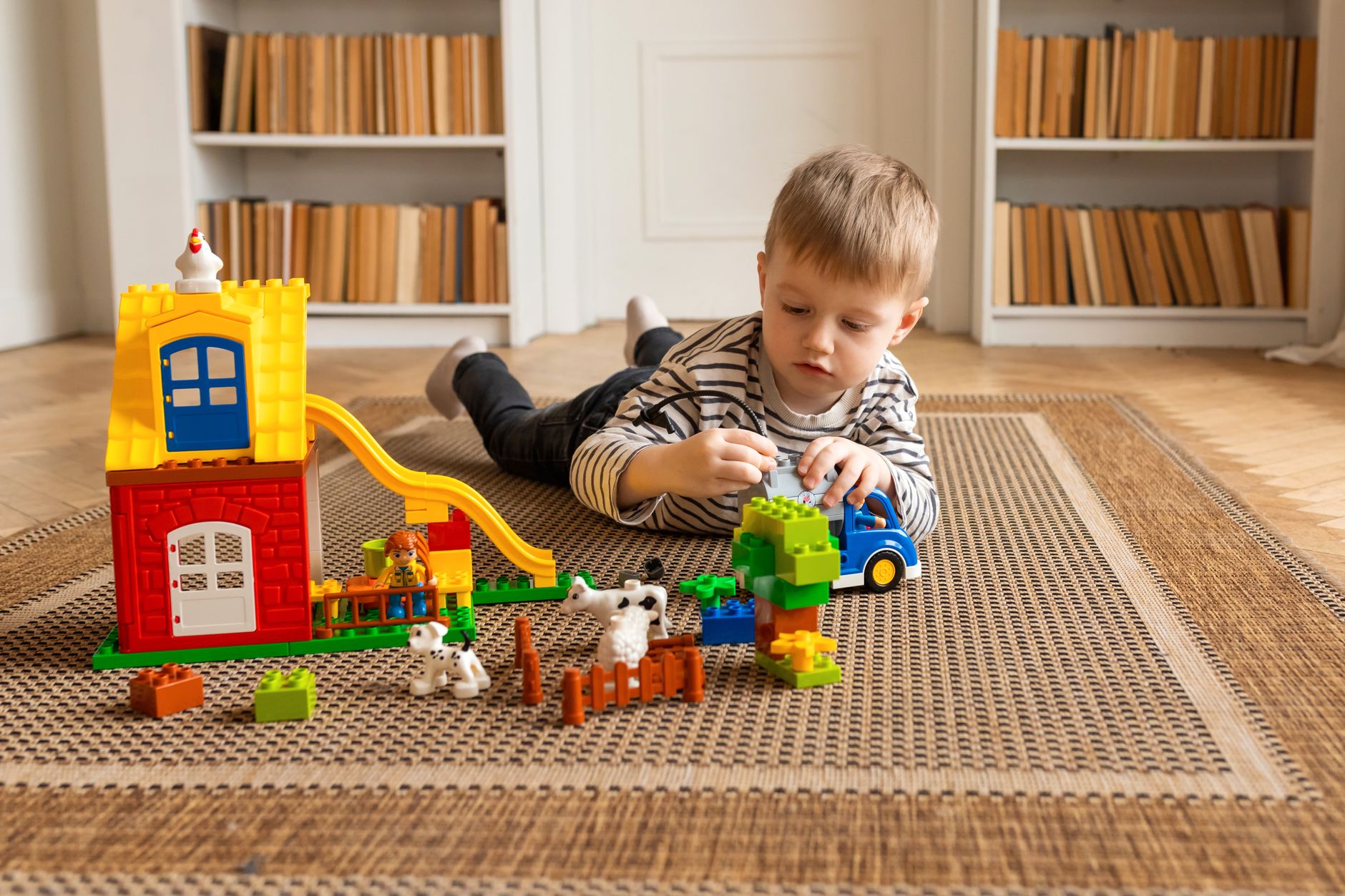
Therapy happens where your child actually lives. That's its biggest strength: skills get taught and practiced in the real environment where you need them.
Strengths:
- Targets real-life routines: mealtimes, bedtime, siblings, getting dressed.
- Easier for you to observe and get coached in the moment.
- No commute; often better for very young children or those who struggle with transitions.
Trade-offs:
- Fewer natural chances to practice with other children.
- Home distractions, and you need space and buy-in from the whole household.
- You're hosting a therapist in your home for many hours a week.
Center-based ABA
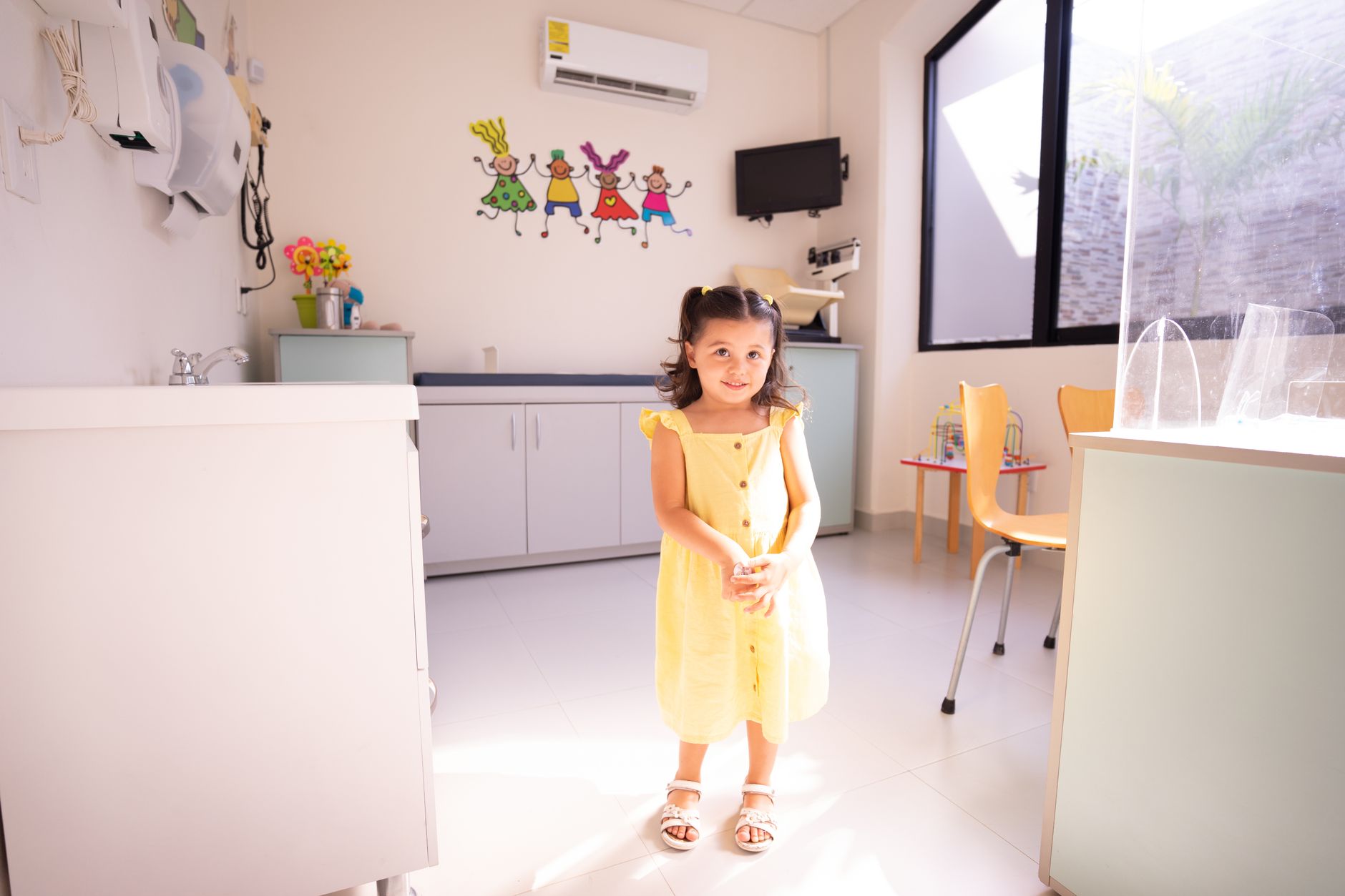
Therapy happens at a clinic built for it, with dedicated space, materials, and other kids around.
Strengths:
- Built-in chances to practice social skills and turn-taking with peers.
- Fewer distractions and a consistent, structured setup.
- Often easier to schedule intensive hours and cover staff absences.
- Good preparation for the structure of a classroom.
Trade-offs:
- Skills learned at the center still have to be generalized to home.
- A commute, and set clinic hours.
- You typically observe less of the day-to-day.
Whatever you choose, ask about generalization
The whole point is skills that show up in real life. Ask any provider, home or center, how they'll make sure what your child learns transfers to the other settings, and how they'll coach you so it sticks at home.
How to decide
A few rules of thumb:
- Very young child, or goals rooted in home routines? In-home often fits.
- Social skills, peer play, or getting ready for school? A center shines.
- Want both? Many providers offer a hybrid, or school-based hours. Ask.
Setting is one question among several. Run it alongside the rest of your provider checklist in how to choose an ABA provider, and when you're ready, compare ABA providers near you and filter by setting.
Ready to find the right provider?
Tell us about your child and your insurance, and we’ll connect you with local providers who fit. Free, no pressure.
Frequently asked questions
Is in-home or center-based ABA better?
Neither is universally better. In-home ABA is strong for real-life home routines and parent coaching; center-based ABA is strong for peer social skills, structure, and school readiness. The best choice depends on your child’s goals and age.
What are the advantages of in-home ABA?
Skills are taught in the real environment where you need them (mealtimes, bedtime, siblings), it’s easier for you to observe and be coached, and there’s no commute, often helpful for very young children or those who struggle with transitions.
What are the advantages of center-based ABA?
Built-in opportunities to practice social skills with peers, fewer distractions, a consistent structured setup, easier scheduling of intensive hours, and good preparation for a classroom.
Can we do both home and center ABA?
Often yes. Many providers offer a hybrid model, and some also deliver school-based hours. Ask providers what combinations they support and what they’d recommend for your child.
Does insurance cover both settings?
Coverage is generally for medically necessary ABA regardless of setting, but specific plans and networks differ. Confirm with your provider and plan which settings are covered and in-network for you.